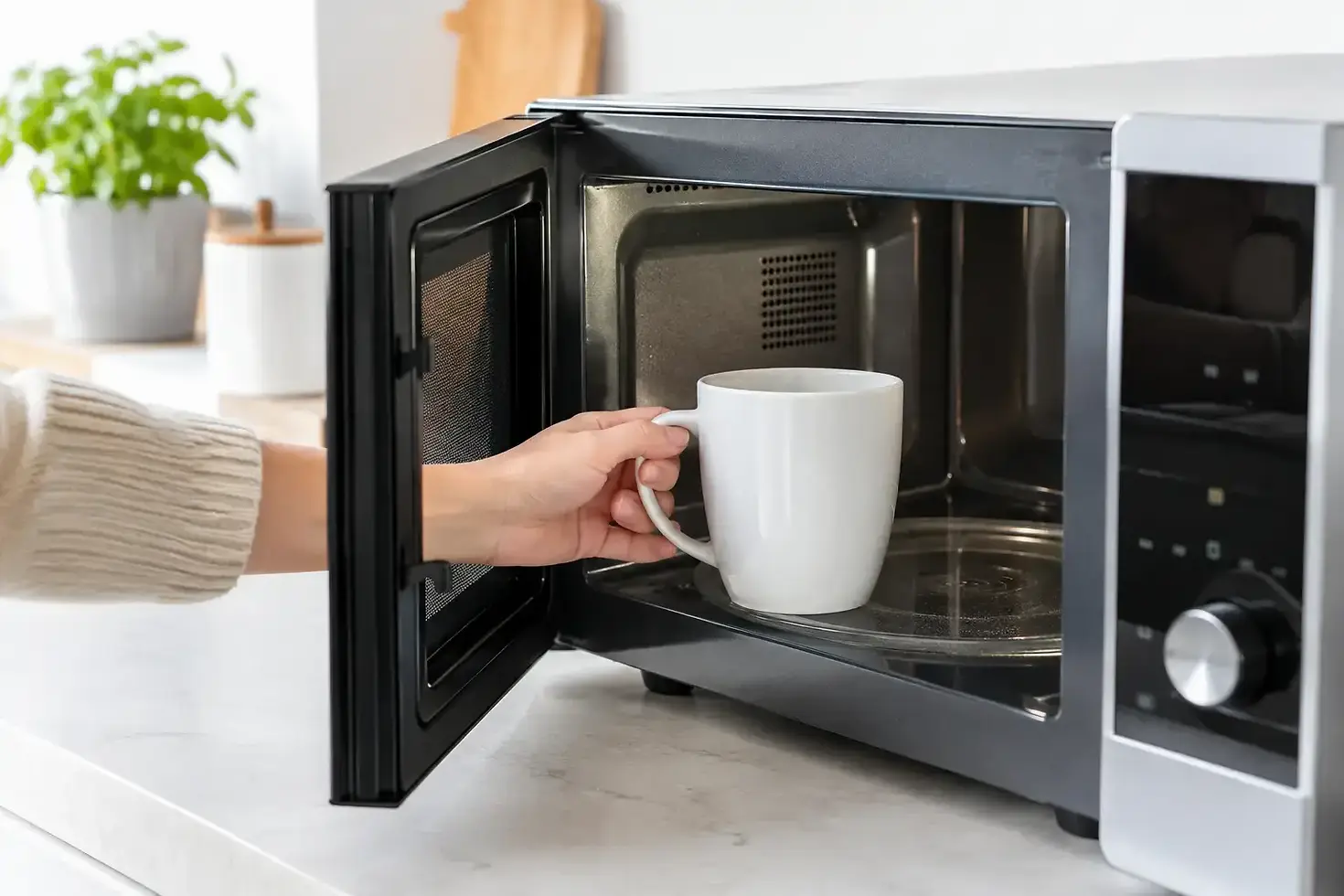
Can Mugs Go in the Microwave? A Quick Guide

That beautiful mug holding your morning coffee may look perfectly at home in the microwave, but appearance is not a safety label. If you are wondering, can mugs go in microwave, the answer is usually yes for plain ceramic or glass - but only when the mug, its finish, and any decorative details are designed for it.
A mug is part of the ritual. It should bring comfort to a busy desk, a slow Sunday, or a thoughtful gift moment. Knowing how to heat it safely helps preserve both your drink and the piece you chose for it.
Can Mugs Go in the Microwave? It Depends on the Material
The safest answer starts with the bottom of the mug. Look for a clear “microwave safe” marking from the manufacturer. That label means the product was intended to handle microwave use under normal conditions. If there is no marking, do not assume it is safe simply because it is ceramic.
Plain ceramic mugs are often microwave-friendly, especially those with a smooth glazed finish and no metallic decoration. Heat-resistant glass can also be a good option when it is specifically labeled for microwave use. Still, every material has limits. A tiny crack, a poorly applied glaze, or a dramatic shift in temperature can change how a mug performs.
Stainless steel mugs should never go in the microwave. Metal can create sparks, damage the appliance, and present a fire risk. That includes travel mugs with stainless steel interiors, metal rims, handles, or lids.
The same caution applies to insulated and thermal mugs. Their layered construction is made to retain temperature, not to receive microwave energy. Even when the exterior looks like ceramic or plastic, the interior structure may contain metal components that make microwaving unsafe.
Read the Details, Not Just the Material
A mug’s decoration matters as much as its base material. A ceramic piece with a gold rim, silver lettering, metallic speckles, or foil accents should stay out of the microwave unless the maker explicitly says otherwise. Metallic finishes can spark or become damaged, leaving the design dull, cracked, or uneven.
Color-changing mugs deserve a little extra care, too. Their heat-reactive exterior creates a memorable reveal, but the coating is not always designed for microwave heat. Some are safe, others are not. Check the care instructions before warming your drink, and avoid treating a novelty finish like an ordinary everyday glaze.
Hand-painted, handmade, and decorative mugs can be more nuanced. Artisanal variation is part of their character, yet it can also mean the finish reacts differently to repeated heat. If a cherished mug has no microwave-safe label, warm your beverage in a microwave-safe vessel first, then pour it into the mug. It takes one extra step and protects the piece you enjoy reaching for.
A Simple Microwave Safety Check for Mugs
When the label is missing, a careful test can offer a useful clue, though it is not a substitute for manufacturer guidance. Fill a microwave-safe glass measuring cup with water and place it beside the empty mug in the microwave. Heat for one minute, then carefully check both.
If the mug is cool or only slightly warm while the water is hot, it is more likely suitable for microwave use. If the empty mug becomes very hot, it may be absorbing too much microwave energy and should not be used this way. Let everything cool first, and use oven mitts if needed.
Never test a mug with metallic paint, a metal rim, visible cracks, or a thermal interior. And if you see sparks, hear popping, or notice a burning smell, stop the microwave immediately. A favorite mug is never worth risking your appliance or your kitchen.
Why Some Mugs Get Hot While the Drink Does Not
It can feel strange to remove a mug and find the handle hotter than the coffee. Microwaves primarily heat water molecules in the drink, but some ceramic bodies and glazes absorb energy as well. The result can be an unexpectedly hot mug, even when the beverage itself needs more time.
This is especially common with thick stoneware-style pieces. Their substantial feel is part of the appeal, but dense material may retain heat longer after the microwave stops. Use a handle when possible, give the mug a brief rest before picking it up, and stir your drink before taking a sip.
Stirring is more than a small finishing gesture. Microwave heating can be uneven, creating hot pockets beneath a cooler surface. A quick stir distributes the temperature and makes that first sip more predictable.
Avoid Thermal Shock and Small Cracks
Microwave safety is not only about sparks. It is also about protecting the mug from thermal shock - stress caused by sudden, extreme temperature changes. A cold mug taken from the refrigerator and heated aggressively can crack. So can a hot mug rinsed immediately under cold water.
Warm beverages in shorter intervals, particularly when the mug is thick, handmade, or newly purchased. Thirty to forty-five seconds is usually easier to control than a long blast of heat. Check, stir, then continue only if necessary.
Inspect your mug occasionally, especially around the handle and base. Hairline cracks, chipped glaze, or crazing in the finish can make a piece less reliable over time. A decorative mug with visible wear may still look lovely on an open shelf or mug stand, but it may be ready to retire from daily heating.
Lids, Handles, and Accessories Need Their Own Rules
A microwave-safe mug does not automatically make every accessory microwave-safe. Remove lids unless they are clearly marked for microwave use and include a vent. A tightly sealed lid can trap steam and create pressure. Plastic components can warp, while silicone parts may be safe only within certain temperature ranges.
Never microwave a mug with a spoon inside it. Even a small metal spoon can spark. If you use a reusable tea infuser, confirm its material before heating. The easiest approach is to heat water or tea first, then add accessories after the microwave is off.
For travel mugs, remove the lid and check the product guidance carefully. Many travel designs include stainless steel, vacuum insulation, or hidden metallic elements. They are made for carrying a warm drink with style, not for reheating it in the microwave.
Better Habits for Everyday Coffee and Tea
The best mug care is simple: choose a clearly labeled microwave-safe piece for daily reheating, heat in short increments, and handle it with care. Keep metallic, insulated, and decorative specialty mugs for serving rather than microwaving when their instructions are unclear.
If you are building a more intentional drinkware collection, it helps to have two roles in mind. Keep a durable ceramic mug ready for weekday coffee refills, then reserve your statement pieces for slow tea, styled shelves, or gifting. At JustMug, a well-chosen mug is meant to feel personal, not disposable - so a little care keeps that everyday design looking polished.
When in doubt, heat the drink in a known microwave-safe container and pour it into the mug you love. Your coffee stays warm, your finish stays beautiful, and the small comfort of your daily ritual remains exactly that: comfort.


Comments