Handmade Ceramic Mug Review for Daily Rituals

The difference often appears before the first sip. Your hand finds a softly shaped handle, the glaze catches the morning light, and an ordinary coffee break feels considered rather than rushed. This handmade ceramic mug review looks beyond the pretty shelf appeal to answer the question that matters: does a handcrafted mug actually improve the way you drink coffee or tea?
For people who care about a calm, well-styled home office, a welcoming kitchen, or a gift that feels personal without being overdone, the answer can be yes. But handmade ceramic is not the right choice for every routine. Its appeal lies in character, tactility, and daily comfort, not factory-perfect uniformity.
What makes a handmade mug feel different
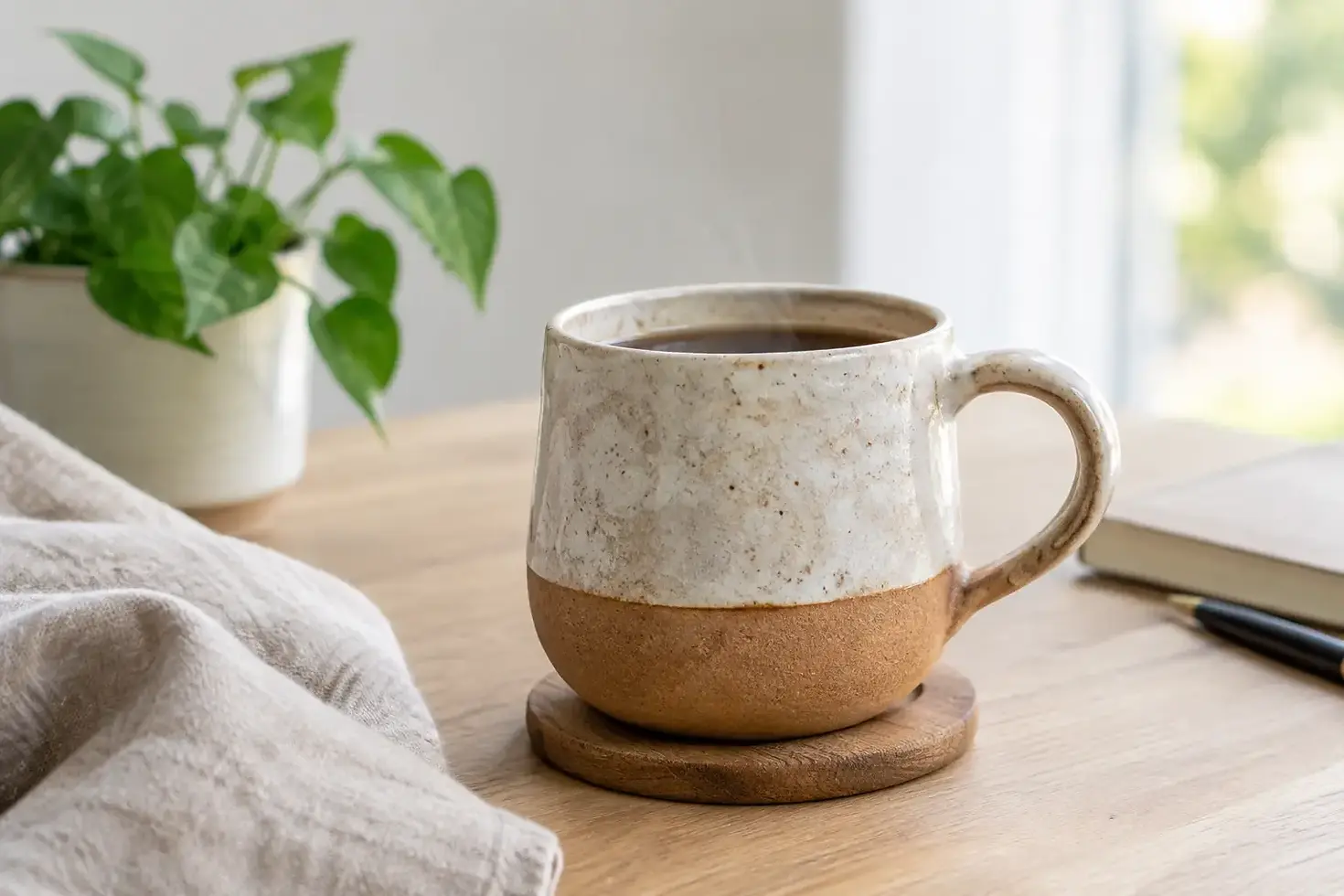
A handmade ceramic mug brings small, visible decisions into an object most people use without thinking. The curve of the rim, the proportion of the foot, a subtle pooling of glaze near the handle - these details give the piece presence. Even when a collection follows one design, no two handmade mugs are likely to be completely identical.
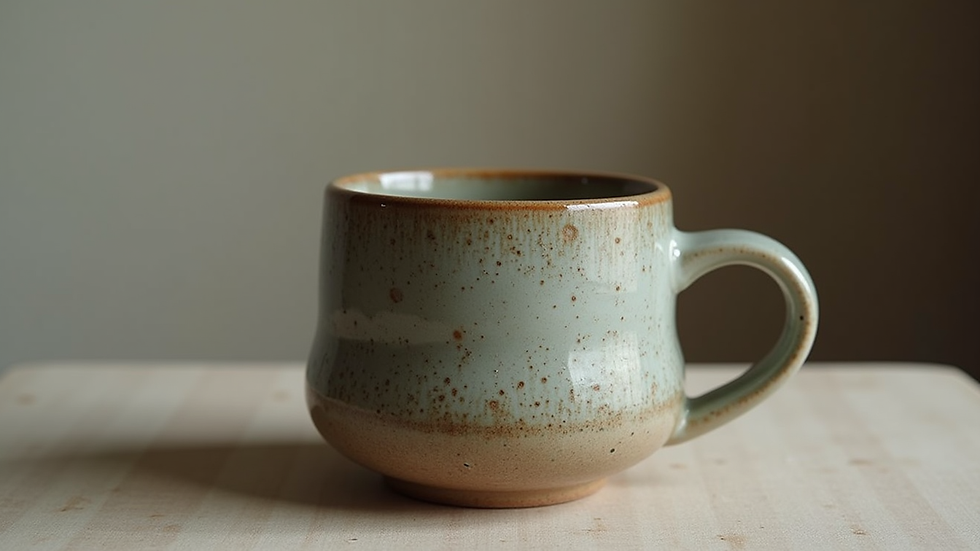
That variation is the point. A faint speckle, a slightly organic silhouette, or a glaze that shifts from satin to glossy can make a mug feel chosen rather than simply purchased. It belongs as naturally beside a minimalist espresso machine as it does on an open kitchen shelf.
Ceramic also has a reassuring weight. It is substantial enough to steady a morning pour, yet it does not need the industrial feel of stainless steel. For coffee, tea, matcha, cocoa, and even an afternoon cup of soup, it creates a slower, warmer experience at the table or desk.
Handmade ceramic mug review: comfort comes first
The most attractive mug in the world will stay in the cabinet if it is awkward to hold. A worthwhile handmade mug should feel balanced when full, not just when empty. This is where the handle matters more than many shoppers expect.
Look for enough room to comfortably fit two or three fingers if that is your preference. The handle should feel smooth where your fingers rest, with no sharp seam or overly narrow opening. A rounded handle tends to suit longer coffee sessions, while a smaller loop can feel elegant for lighter cups of tea. Neither is automatically better. It depends on your grip and the size of drink you usually make.
Rim shape matters, too. A thinner rim can feel refined and bring the drink closer to the experience of a café cup. A gently thicker rim feels cozy and durable, particularly for a large latte or hot chocolate. The best choice is personal, but the finish should always feel even and pleasant against the lips.
Weight is another trade-off. A heavy stoneware-style mug can feel luxurious and stable, especially for home use. If you carry your coffee from the kitchen to a desk, move around an office, or have wrist sensitivity, a lighter ceramic piece may be the better everyday companion. Premium does not have to mean oversized.
The finish should earn its place in your routine
Glaze does more than add color. It influences the mug’s mood, how easily it cleans, and how it wears over time. A glossy interior is often practical because coffee and tea residue rinse away more easily. A matte exterior gives a contemporary, tactile look, though some matte glazes can show oils or marks more readily than a high-shine finish.
Neutral tones remain a strong choice for a reason. Cream, soft white, warm gray, charcoal, and earthy clay colors fit many interiors and make a coffee ritual look composed without trying too hard. A bolder glaze or playful illustration adds personality, which can be exactly right for a birthday gift, a creative workspace, or the person whose mug is unmistakably theirs.
Pay attention to the inside of the cup. Dark glazes can look dramatic, but they make it harder to appreciate the color of tea or spot remaining residue. Lighter interiors are especially satisfying for matcha, herbal tea, and carefully brewed coffee. A contrasting interior can offer the best of both worlds: a statement on the outside and a practical view of what is in the cup.
Heat, capacity, and the reality of daily use
Ceramic does not hold heat forever, and that is not necessarily a flaw. It warms pleasantly in the hand and offers gentler insulation than thin glass, but it cannot compete with a vacuum-insulated tumbler for a two-hour commute. If you sip slowly through meetings, a thermal mug is the more functional choice. If you drink while reading, journaling, or working at home, ceramic is often more enjoyable.
Capacity should match your ritual instead of a product label. A compact 8- to 10-ounce mug suits espresso-based drinks, tea, and anyone who likes a fresh refill. A 12- to 16-ounce format works well for standard drip coffee, lattes, and generous tea servings. Larger mugs are comforting, but they can become bulky and may leave the last few ounces lukewarm.
Microwave and dishwasher compatibility deserve a quick check before buying. Many ceramic mugs are made for both, but handmade pieces vary by clay body, glaze, decoration, and metallic detail. A gold accent, delicate decal, or highly textured finish may call for hand washing. That extra care can be worthwhile for a special piece, but it is less ideal for a mug that will face the breakfast rush every day.
What variation means - and what it does not
A handmade mug should show personality, not poor quality. Slight differences in glaze pattern, tone, or shape are normal and often beautiful. They create the sense that your cup was made with attention rather than pressed from a single mold.
There are limits. The base should sit flat without rocking. The handle should be firmly attached. The rim should be smooth, and the glazed surface should not have chips, cracks, or pinholes that compromise everyday use. Handmade does not excuse discomfort or carelessness. The strongest pieces pair artisanal expression with disciplined finishing.
This distinction helps when shopping online. Product photos can show the overall character of a mug, but dimensions tell you whether it will fit your cabinet, coffee maker, and hand. Read capacity carefully, consider the stated care instructions, and expect natural glaze variation rather than demanding photographic sameness.
Is it worth paying more for handmade ceramic?
For a mug used once a month, probably not. For the cup you reach for every morning, the value is easier to feel. A handmade piece can turn a familiar ritual into a visual pause - something that looks good on a desk, feels right in the hand, and quietly reflects your taste.
It also makes an unusually reliable gift when chosen with the recipient’s routine in mind. A clean, minimalist mug suits a colleague setting up a home office. A warm, speckled ceramic style feels at home in a new-house gift. A design with a more personal message or theme can make a birthday or professional milestone feel genuinely noticed.
JustMug approaches the mug as more than kitchen storage. It is a small, useful expression of comfort, design, and personality. That idea resonates because the best everyday objects do not need to demand attention to make an impression.
A final note before you choose
Choose handmade ceramic when you want your daily cup to feel less disposable and more yours. Prioritize a comfortable handle, a size you will truly use, and a finish that suits your tolerance for care. Then let the slight variations do what they do best: make a simple coffee or tea break feel considered, personal, and quietly elevated.


Comments