
Ceramic vs Porcelain Mugs: Which One Fits You?

The mug you reach for first says something about how you want your morning to feel. Ceramic vs porcelain mugs is not simply a question of material. It is a choice between a grounded, tactile presence and a lighter, more polished kind of everyday luxury.
Both can make coffee, tea, cocoa, and slow afternoons feel more considered. Yet their texture, weight, finish, and long-term performance create noticeably different experiences in the hand. The right choice depends on whether your ideal mug is cozy and expressive, sleek and refined, or ready to become a memorable gift.
Ceramic vs Porcelain Mugs: The Essential Difference
Ceramic is an umbrella term for objects made from natural clay and fired in a kiln. A ceramic mug may be earthenware, stoneware, or porcelain. In everyday shopping, though, "ceramic mug" usually describes a thicker, more substantial mug made from stoneware or a similar clay body.
Porcelain is a specific type of ceramic. It is made with fine clay, often including kaolin, and fired at very high temperatures. That process creates a dense, smooth material with a more refined appearance. Porcelain is technically ceramic, but not every ceramic mug is porcelain.
This distinction matters because the clay body shapes everything from the mug's silhouette to the way its glaze catches the light. A substantial stoneware-style ceramic mug can feel artisanal and warm. A porcelain mug often feels crisp, balanced, and quietly elevated.
The Feel in Your Hand
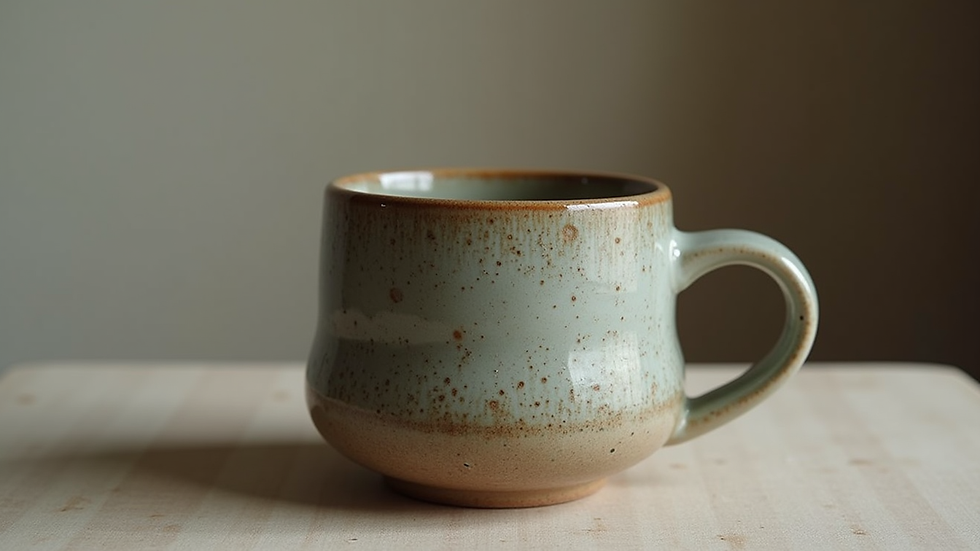
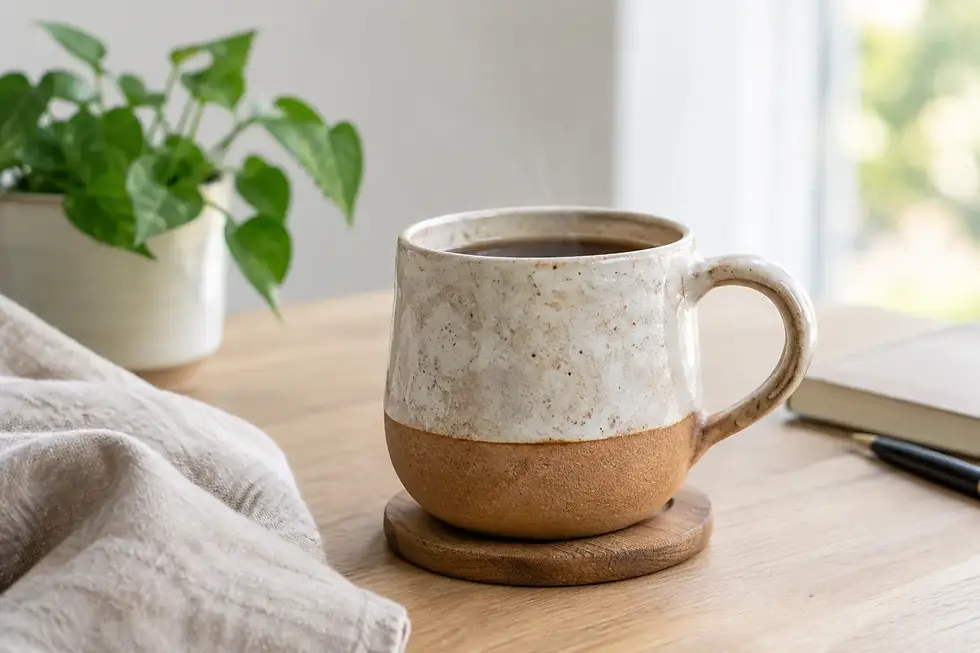
A ceramic mug is often the first choice for people who like their coffee ritual to have a little visual weight. These mugs commonly have thicker walls, curved handles, softly imperfect contours, and reactive or matte glazes. They bring texture to a kitchen shelf, a desk, or a bedside table.
That extra presence can be especially appealing for home offices and relaxed weekend mornings. A larger ceramic mug feels designed for lingering: a generous pour, both hands around the cup, and a brief pause before the day starts moving.
Porcelain has a different kind of appeal. It is usually thinner, smoother, and lighter for its size. The surface often has a clean, luminous finish that works beautifully with minimal interiors, contemporary dinnerware, or a neatly styled coffee station. For someone who prefers a polished silhouette over a rustic one, porcelain makes a strong case.
Neither sensation is automatically better. If a mug should feel like a small piece of comfort, ceramic tends to win. If it should feel precise, elegant, and easy to hold without bulk, porcelain may be the better fit.
Heat Retention and Everyday Comfort
Mug walls and shape influence heat retention as much as material does. Since many ceramic mugs are thicker, they often feel warmer in the hand and can keep a drink pleasant for a bit longer. A thick stoneware mug is especially satisfying with drip coffee, chai, or cocoa enjoyed at an unhurried pace.
Porcelain can also hold heat well, particularly when it is well made and paired with a lid or a generous preheat. Because porcelain mugs are frequently thinner, however, the drink may cool more quickly in some designs. The upside is that the rim can feel more delicate and comfortable when sipping tea or espresso-based drinks.
For either material, preheating makes a genuine difference. Fill the mug with hot water for a minute, discard it, then pour your beverage. It is a small ritual, but it helps the first few sips feel as intentional as the last.
Durability: Strong Does Not Mean Indestructible
Porcelain is dense and nonporous when fired and glazed properly. It resists stains, odors, and moisture absorption very well. Its smooth finish is also easy to clean, which makes it a practical choice for daily coffee drinkers who do not want lingering tea or espresso marks inside the cup.
Ceramic mugs vary more widely. High-quality stoneware is durable enough for everyday use and often handles the normal rhythm of a busy kitchen beautifully. Still, some ceramic pieces are more prone to chipping at the rim or handle, especially if the glaze is thin or the mug is made from a softer earthenware body.
Porcelain is not immune to breakage. Its finer profile can make it vulnerable if it meets a hard tile floor or the edge of a sink. A thick ceramic mug may feel tougher, but it can still crack under sudden temperature changes. Do not pour boiling water into a cold mug straight from a chilly cabinet, and avoid moving any mug from freezer-level cold to intense heat.
The practical takeaway is simple: choose quality, handle it with care, and match the mug to your routine. A daily workhorse deserves a sturdy profile. A beautiful porcelain piece may be perfect for the quiet moments when you want the table or desk to look a little more composed.
Glaze, Color, and Visual Personality
Material influences style, but glaze is where a mug develops its personality. Ceramic is especially versatile here. Speckled finishes, hand-painted details, earthy neutrals, glossy color, sculptural handles, and color-changing designs all feel at home on a ceramic base. It is the natural choice when the mug itself is meant to be part of the decor.
Porcelain often shines in clean white, soft pastels, precise illustrations, and glossy contemporary finishes. Its pale, smooth body allows colors and printed designs to look particularly sharp. For monograms, professional gifts, or a set that coordinates with modern tableware, porcelain has a calm, tailored quality.
A minimal white porcelain mug can make a desk feel clear and collected. A richly glazed ceramic mug can give that same desk warmth and character. Think about the room where it will live most often. The best mug does more than hold a drink. It belongs in the scene.
Which Material Makes the Better Gift?
For gifting, the question is less about technical superiority and more about the person receiving it. Ceramic mugs are excellent for personality-forward gifts: birthdays, teacher appreciation, retirement, seasonal celebrations, or a thoughtful pick-me-up for a friend. Their varied shapes and expressive finishes make them feel personal before they are even filled.
Porcelain is a natural fit for occasions that call for polish. Consider a housewarming, a professional milestone, a wedding shower, or a client gift where a refined impression matters. A porcelain mug can feel elevated without being overly formal, especially when paired with a favorite tea or a simple note.
If you are choosing one mug for someone else, notice what they already use. Do they favor handcrafted bowls, warm neutral decor, and oversized coffee servings? Ceramic will likely feel right. Do they keep a clean workspace, choose classic tableware, and prefer lighter pieces? Porcelain may suit them better.
A Few Care Details Worth Knowing
Always check the individual product details before assuming a mug is microwave or dishwasher safe. Many glazed ceramic and porcelain mugs are suitable for both, but metallic accents, specialty finishes, and decorative treatments can change the care instructions.
Use a soft sponge for everyday washing, and avoid harsh abrasives that can dull a glossy finish over time. If coffee stains appear, a gentle paste of baking soda and water can help brighten the interior. For mugs with delicate decoration, hand washing is the more careful choice.
Small signs of use are not always flaws. A favorite mug earns its place through mornings at the kitchen counter, long calls at the desk, and conversations that outlast the coffee. Quality should feel good from day one, but it should also be made for real life.
Choose the Mug That Shapes the Moment
Choose ceramic when you want warmth, texture, visual character, and a more substantial feel. Choose porcelain when you want a smooth finish, a lighter profile, crisp detail, and understated elegance. If your collection has room for both, that is often the most satisfying answer: ceramic for comfort-driven rituals, porcelain for polished everyday settings.
A mug is a small object, but it appears in the most personal corners of the day. Pick the one that makes your coffee break look and feel like your own.

Comments