
Mug Materials Guide for Every Daily Ritual

Mug Materials Guide: Start With the Moment
The best mug is not simply the one that holds your coffee. This mug materials guide begins with a more personal question: where will it live in your day? On a quiet kitchen shelf, beside a laptop through back-to-back calls, packed for a morning commute, or wrapped as a thoughtful gift? Material shapes the feel in your hand, the temperature of your drink, the look of your space, and how often you will reach for it.
A beautifully chosen mug turns a familiar pause into something more considered. Ceramic offers warmth and visual character. Stainless steel brings performance and portability. Glass creates a lighter, more modern presentation. Enamel has an easygoing, outdoors-inspired charm. Each has a place, and the right choice depends on the ritual you want to create.
Ceramic: The Everyday Classic With Presence
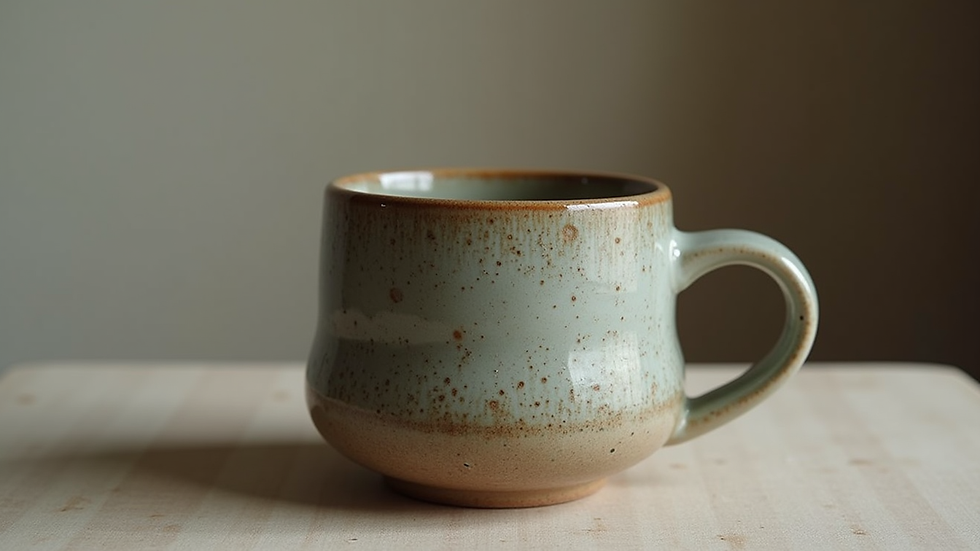
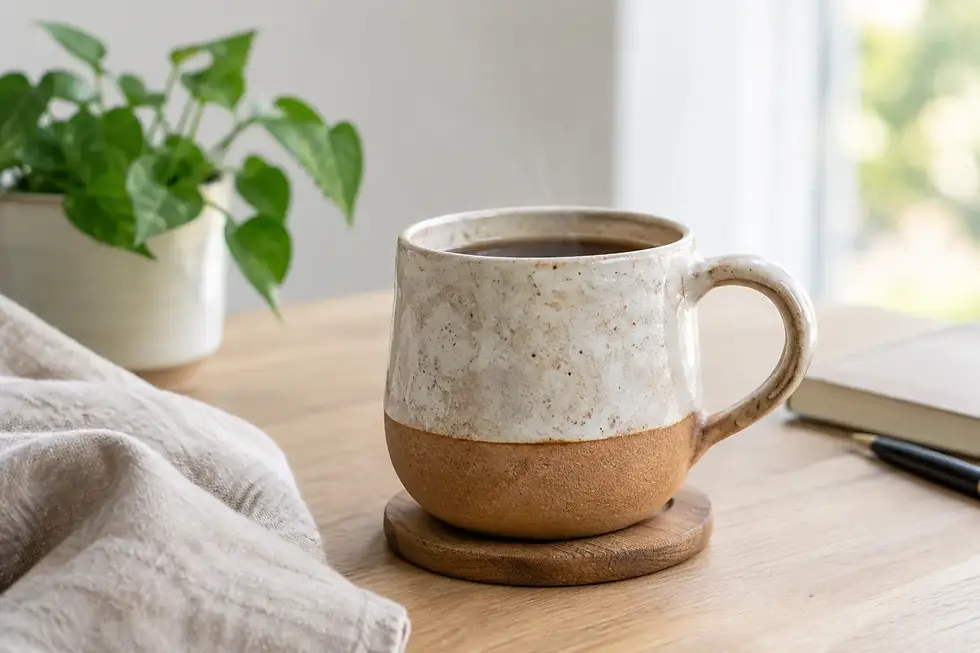
Ceramic is the material most people picture when they imagine a favorite coffee mug. It feels substantial without being overly heavy, holds warmth comfortably, and provides an exceptional surface for color, artwork, glossy finishes, and understated minimalism. For a home coffee station, office desk, or gift that feels personal, ceramic is usually the most versatile starting point.
There are meaningful differences within the ceramic family. Stoneware is often thicker and heavier, with an artisanal character that suits earthy glazes, matte textures, and contemporary silhouettes. Porcelain is typically finer, smoother, and more polished. It can feel especially elevated for tea, espresso-based drinks, or a refined tabletop look. Standard ceramic mugs sit between the two, delivering everyday practicality in a wide range of styles.
Ceramic does have trade-offs. It is not the strongest choice for travel, and it can chip or crack after a hard knock against the sink or countertop. It also retains heat well enough for a relaxing drink, but not for hours. For many people, that is part of the appeal: a ceramic mug invites you to slow down and enjoy the cup while it is at its best.
When choosing ceramic, look beyond the print. Consider the handle. A generous, well-balanced handle makes a larger mug feel effortless in the hand. Also think about the rim. A thinner rim can feel more refined, while a slightly thicker rim brings a cozy, substantial quality. Neither is objectively better. The difference is in the experience.
Best for
Ceramic suits everyday coffee and tea, home offices, display-worthy open shelving, personalized gifts, and anyone who sees a mug as part of their decor. It is the material for a morning that deserves a little more beauty.
Stainless Steel: Built for Heat, Motion, and Long Days
Stainless steel mugs are designed around performance. They are durable, resistant to breaking, and ideal when your drink needs to stay hot or cold long after you pour it. Double-wall, vacuum-insulated stainless steel is especially useful for commuters, school drop-offs, long drives, outdoor time, and workdays that seem to move faster than expected.
The key advantage is insulation. A well-made thermal mug reduces heat transfer, helping hot drinks stay warm and cold drinks stay refreshing without creating heavy condensation on the outside. It is also a practical option for anyone who tends to forget their coffee halfway through the morning.
The trade-off is sensory. Stainless steel does not offer the same warm, handcrafted feel as ceramic, and some people notice a subtle metallic note when drinking directly from an unlined steel rim. A powder-coated exterior, a comfortable handle, and a thoughtfully designed lid can make a major difference in how premium it feels. If you prefer to sip slowly at home, ceramic may still win. If you need your drink to keep pace with your schedule, stainless steel is hard to beat.
Not every stainless steel mug is fully leakproof. A handled thermal mug may have a splash-resistant lid rather than a sealed travel lid, so it should stay upright in a bag. Check the lid design before treating any mug like a travel tumbler.
Best for
Choose stainless steel for commuting, outdoor routines, busy workspaces, iced coffee, and anyone who values durability and temperature retention above all else.
Glass: A Clear Choice for Visual Rituals
Glass mugs make the drink itself part of the design. The layers of a latte, the warm amber of tea, and the slow swirl of cream all become visible. For a minimalist kitchen or a thoughtfully styled desk, clear glass brings a clean, contemporary finish without feeling cold or impersonal.
Borosilicate glass is especially valued because it is made to handle temperature changes better than ordinary glass. It is a smart choice for hot tea, coffee, and cold drinks, particularly when you want a lightweight feel. Double-wall glass creates a floating effect that looks striking on the table while helping the outer surface remain more comfortable to hold.
Still, glass requires care. Even heat-resistant glass can break if dropped or exposed to sudden, extreme temperature shifts. Avoid pouring boiling water into a mug that has just come from a cold refrigerator, and do not assume every glass mug is microwave or dishwasher safe. Decorative finishes, metallic accents, and double-wall construction can change the care instructions.
Glass is less about rugged utility and more about atmosphere. It is for the matcha moment, the afternoon tea ritual, or the iced latte that deserves to look as good as it tastes.
Best for
Glass is a beautiful fit for tea lovers, espresso drinks, iced beverages, modern interiors, and gifts for someone who enjoys small visual details.
Enamel: Casual Character With Vintage Appeal
Enamel mugs are usually made from steel coated in a glossy enamel finish. They have a lighter, more casual feel than ceramic and a distinctive look that recalls campfires, cabin weekends, and unfussy mornings. Their appeal is less about perfection and more about personality.
Because the core is metal, enamel mugs are more durable than glass or ceramic in many everyday situations. They are also lightweight, which makes them convenient for travel, patios, and outdoor use. But enamel can chip if dropped, exposing the metal underneath. A small chip may add character to a well-loved mug, though it is worth replacing the piece if damage becomes sharp, heavily rusted, or affects the drinking rim.
Enamel is not naturally insulated, so hot drinks can warm the exterior quickly. It is best handled with care, especially after a fresh pour. It also should not be used in a microwave because of its metal base.
Best for
Enamel works beautifully for relaxed gifting, outdoor coffee, casual kitchens, and anyone drawn to nostalgic design with a practical edge.
Other Materials Worth Knowing
Bone china and fine china offer a delicate, polished alternative to heavier ceramic. They are often lighter in the hand, with a smooth surface and an elegant rim that suits tea service or more formal gifting. They can be surprisingly durable for their weight, yet they still deserve gentler handling than a sturdy stoneware mug.
Plastic and silicone mugs can be useful for young children, poolside settings, or specific travel needs, but they rarely deliver the premium, lasting feel most adults want from an everyday coffee ritual. If the goal is a mug that looks intentional on a shelf and feels special in your hand, ceramic, glass, enamel, and stainless steel offer more visual and tactile reward.
Mug Materials Guide to Care and Compatibility
The material is only half the decision. Finishes and details matter just as much. A plain ceramic mug may be microwave and dishwasher safe, while the same style with gold lettering, metallic trim, a color-changing coating, or a raised decorative element may need hand washing and should stay out of the microwave.
Follow the specific care guidance that comes with the mug, especially for printed, personalized, or heat-reactive designs. In general, hand washing preserves crisp artwork and specialty finishes longer. Avoid abrasive scrubbers, which can dull glossy surfaces and wear down decorative details. For thermal mugs, wash the lid components carefully, since seals and sliding closures are where coffee residue tends to collect.
A good mug organizer can also protect your collection. Give ceramic and glass pieces enough space that handles do not knock together, and keep favorite mugs within easy reach. When a piece is visible, useful, and beautifully placed, it becomes part of the room rather than another item behind a cabinet door.
Choose What You Want to Feel
If you want a comforting, expressive everyday piece, choose ceramic. If your coffee needs to survive the commute, choose insulated stainless steel. If presentation matters as much as the pour, choose glass. If your style leans relaxed, vintage, or outdoorsy, enamel may be the one.
The right material is not a rule. It is a small decision about how you want your day to begin, pause, or reset. Choose the mug that makes that moment feel more like yours.

Comments